
 MENU
MENU Optical Quality Control
 Robotic Systems
 Industrial software development

20 Years of KINALI: Radek Štourač on the Company's Beginnings, Automation and Future
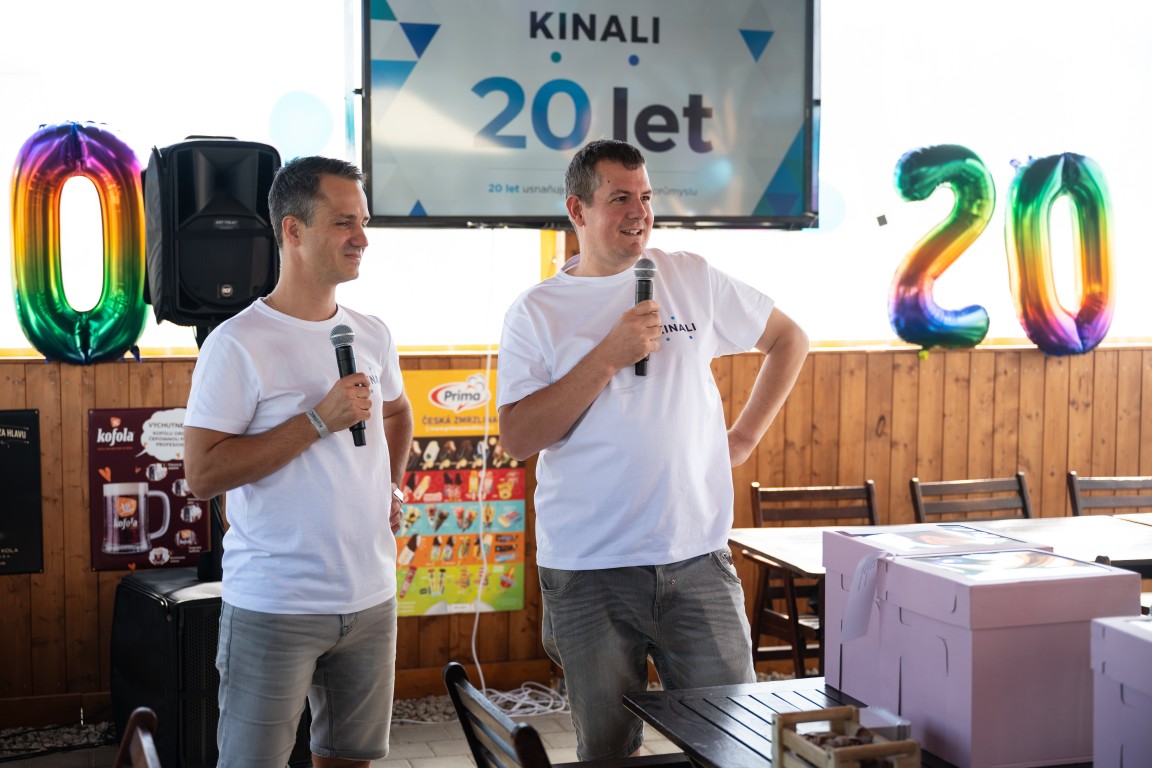
KINALI celebrates 20 years. In this interview, CEO and co-founder Radek Štourač looks back at the company's beginnings, its expansion from industrial software into automation and robotics, and where KINALI is heading next.
KINALI is celebrating 20 years this year. Yet our story began back in the summer of 2005 with one specific manufacturing problem and two students who believed they could solve it better.
What started as a purely software project gradually grew into a company specialising in several areas: industrial software, robotics, quality control and industrial automation. Together with CEO and co-founder Radek Štourač, we looked back at KINALI's beginnings, how the industry and the company itself have changed over two decades, and where KINALI wants to go next.
How the KINALI story began
1. What was the first impulse that eventually led to the creation of KINALI?
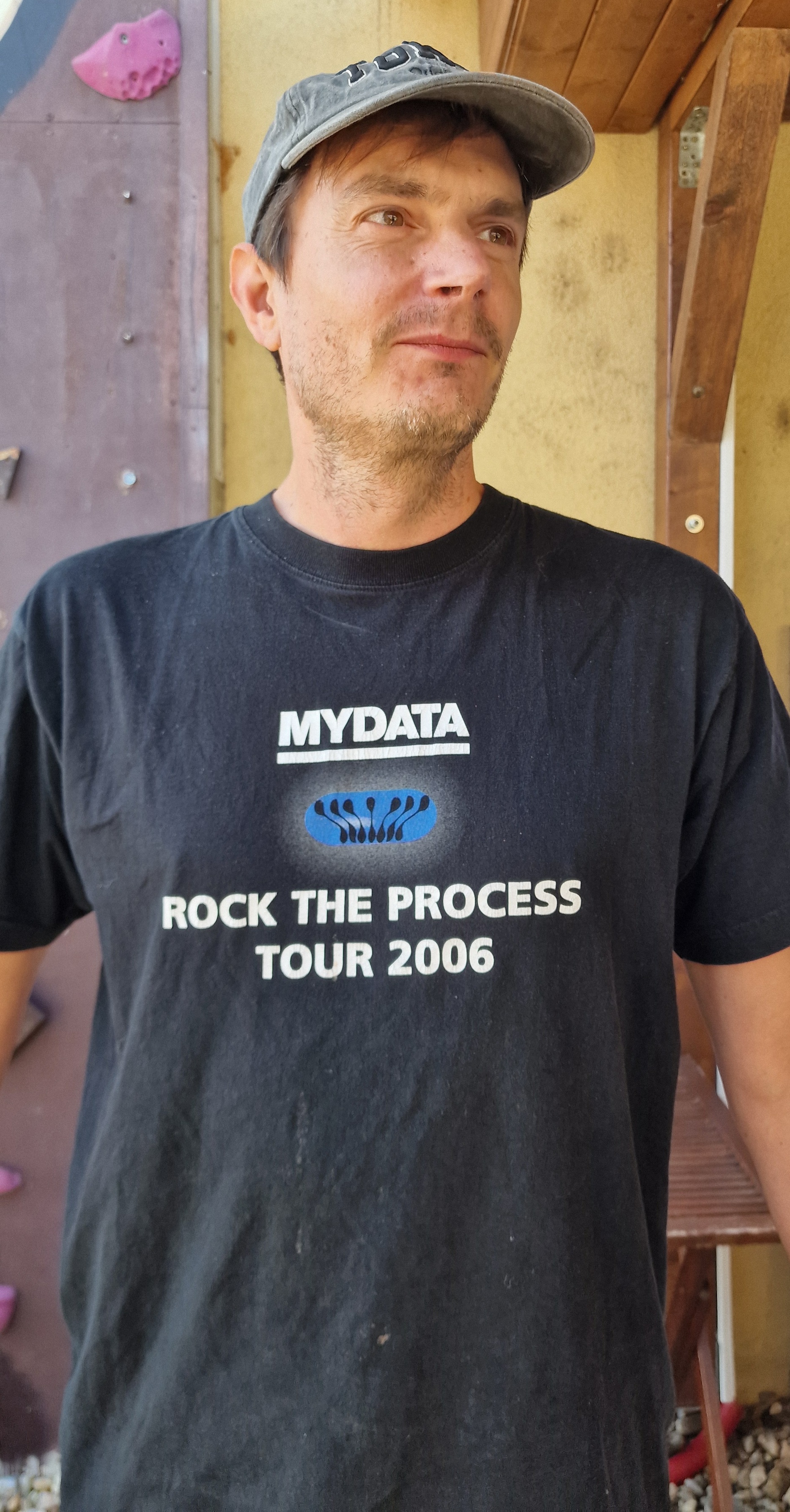
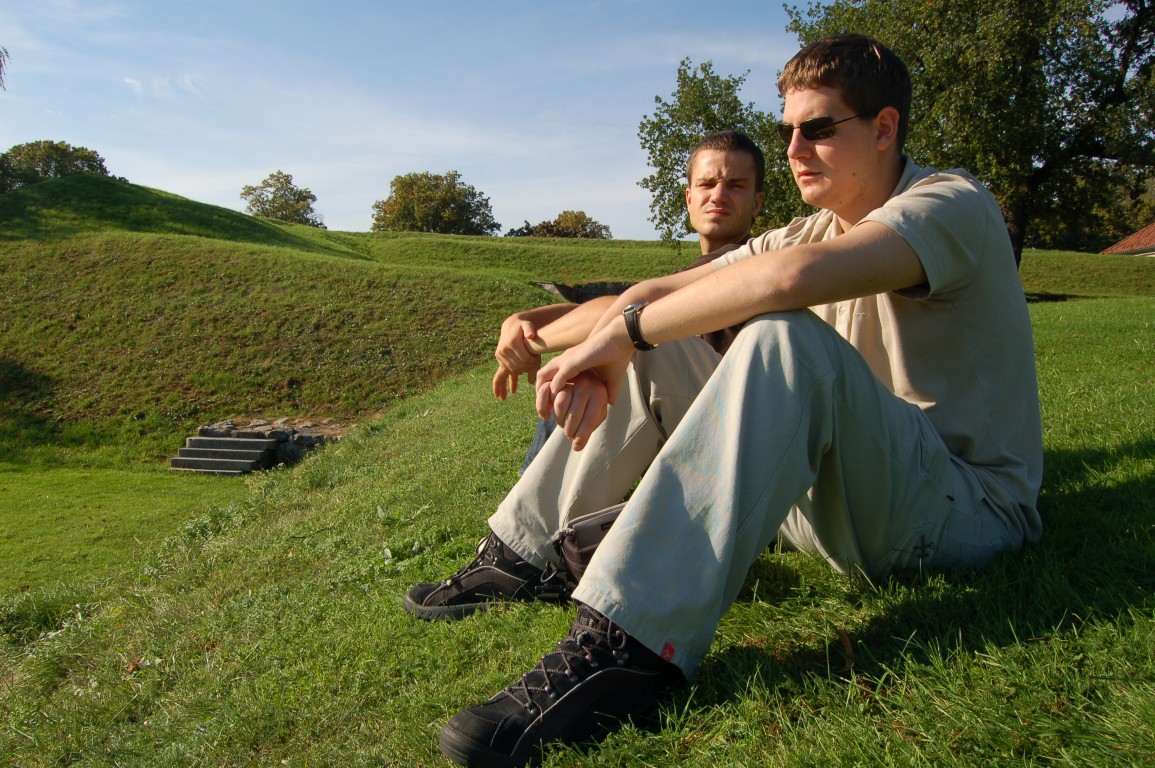
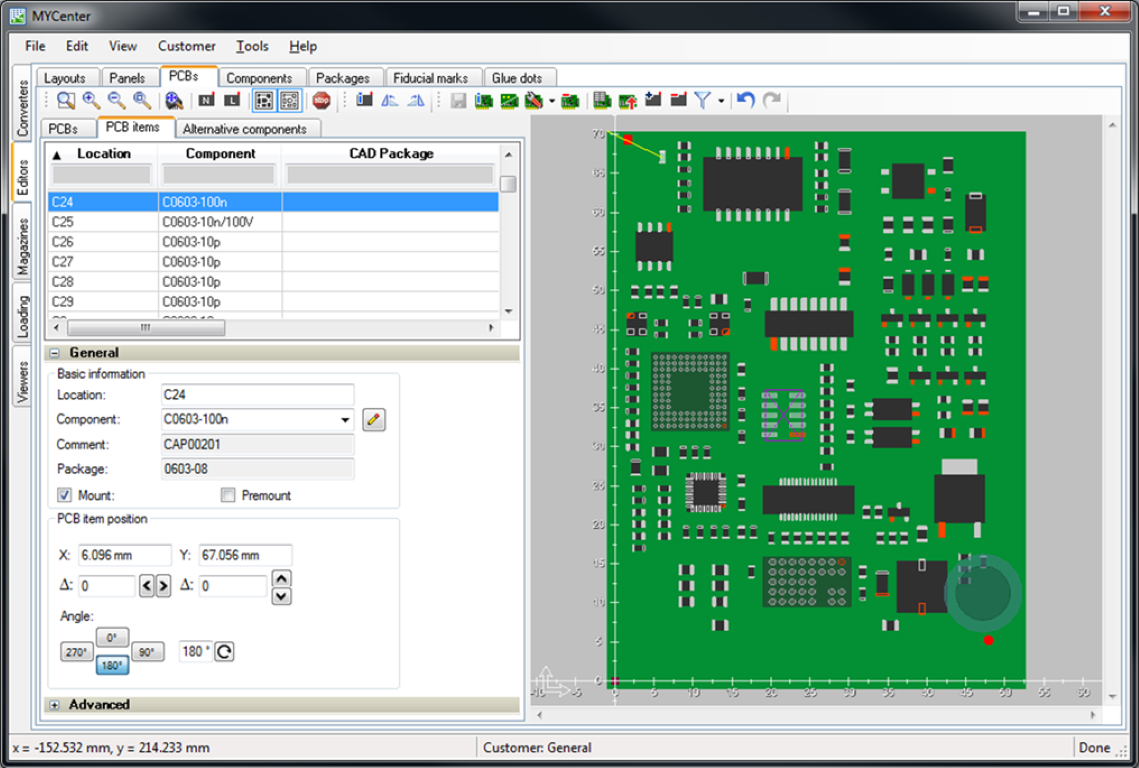
The first moment was a summer job taken by KINALI co-owner Honza Štěpnička. The owner of the company where he was working rather naively assumed that he could hire a student from the Faculty of Information Technology and have him write new software for preparing production data for the placement machines made by the Swedish company MYDATA within a few months.
Their user-facing software was quite poor at the time, so Honza began looking for someone among his classmates to help him make a better version. I was the only one who said yes and accepted the challenge.
So KINALI actually began with a combination of a specific manufacturing problem, a little student audacity and the conviction that we could do it better.
2. The KINALI story began in 2005, but the company was formally established in 2006. Which of these moments do you consider the real beginning?
I consider the summer of 2005 the real beginning. At that time, Honza and I were working as a two-person team on an alternative to software being developed by a much larger team in Sweden. I was not even being paid for it at the time.
We were motivated by the idea that if we could produce something within six months that genuinely worked, MYDATA's management would make time for us and we would be able to show it to them in person. We knew they would be interested in better software for their machines. But nobody gave us any stronger guarantee than that.
3. When did you first realise that the partnership with Mycronic was not just a single contract, but something that would fundamentally shape KINALI?
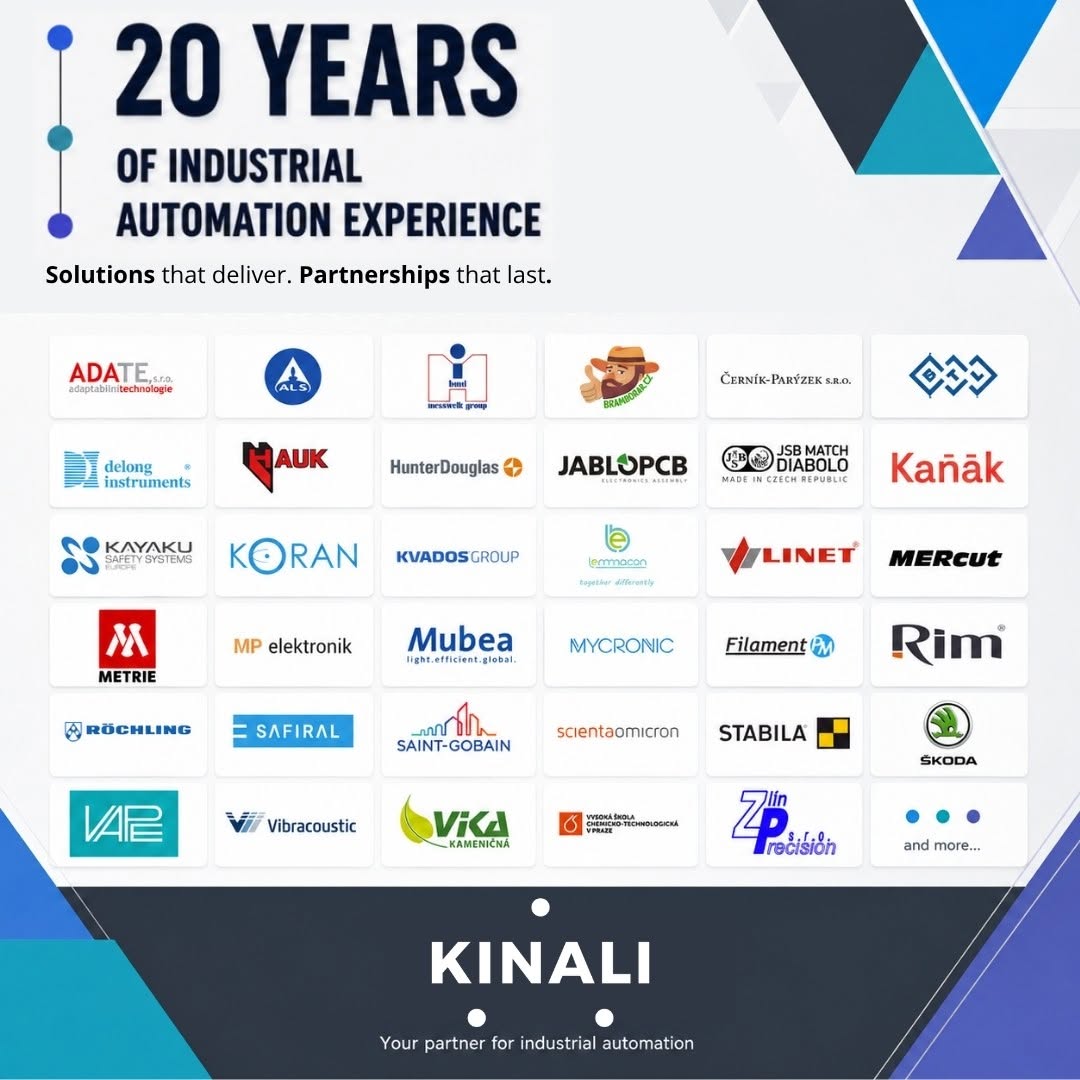
At our very first meeting with Mycronic's management, back when the company was still called MYDATA. I was 22 years old, and it felt almost unbelievable and motivating at the same time that nobody cared how old I was. They were interested only in what we could do, what we had created and whether it worked.
They placed enormous trust in us, and I have regarded that as a commitment ever since. That makes me all the prouder that we have continued to live up to it for twenty years.
From software to industrial automation
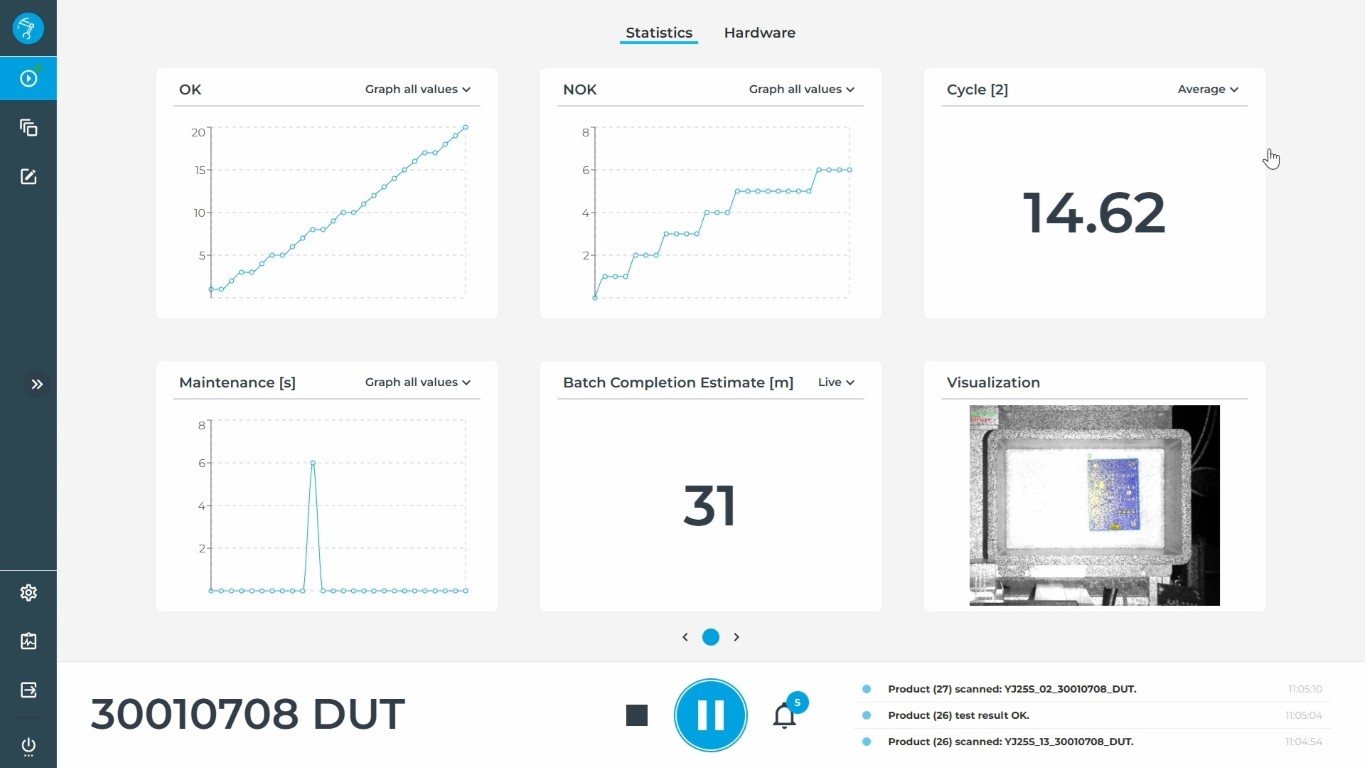
4. Looking back at KINALI's development, which was the bigger turning point: moving into hardware, entering robotics, or productising Test-it-off?
I do not think there was one single turning point. We always knew that the story we had with Mycronic would be very difficult to replicate. At the same time, from the beginning we wanted to stand on our own feet and continue developing the company.
Complex solutions were in our blood, in a way. Honza is half programmer and half mechanical engineer, so the transition from pure software to complete industrial automation systems was actually natural. That was the start of the journey that has led to our own platform and the Test-it-off product. We are gradually shifting the company's centre of gravity from a purely project-based business towards repeatable product solutions.
5. What was most difficult when KINALI moved from the world of software into hardware and real factories, where nothing can be hidden behind an update?
It was a major change, perhaps even a shock. With software, you can solve many problems remotely. With a machine, sometimes you simply have to get in the car and drive to the customer.
We learned standards, how to organise purchasing and assembly, and how to keep something that is used in production every day running over the long term, all while doing the work. Because we never had investor money and grew organically, Honza and I initially handled many of the related tasks ourselves as well.
Today I am personally involved in these activities much less. But we still have customers where either Honza or I go to provide service in person. It is a useful reminder that running an industrial company is not just about strategy and spreadsheets.
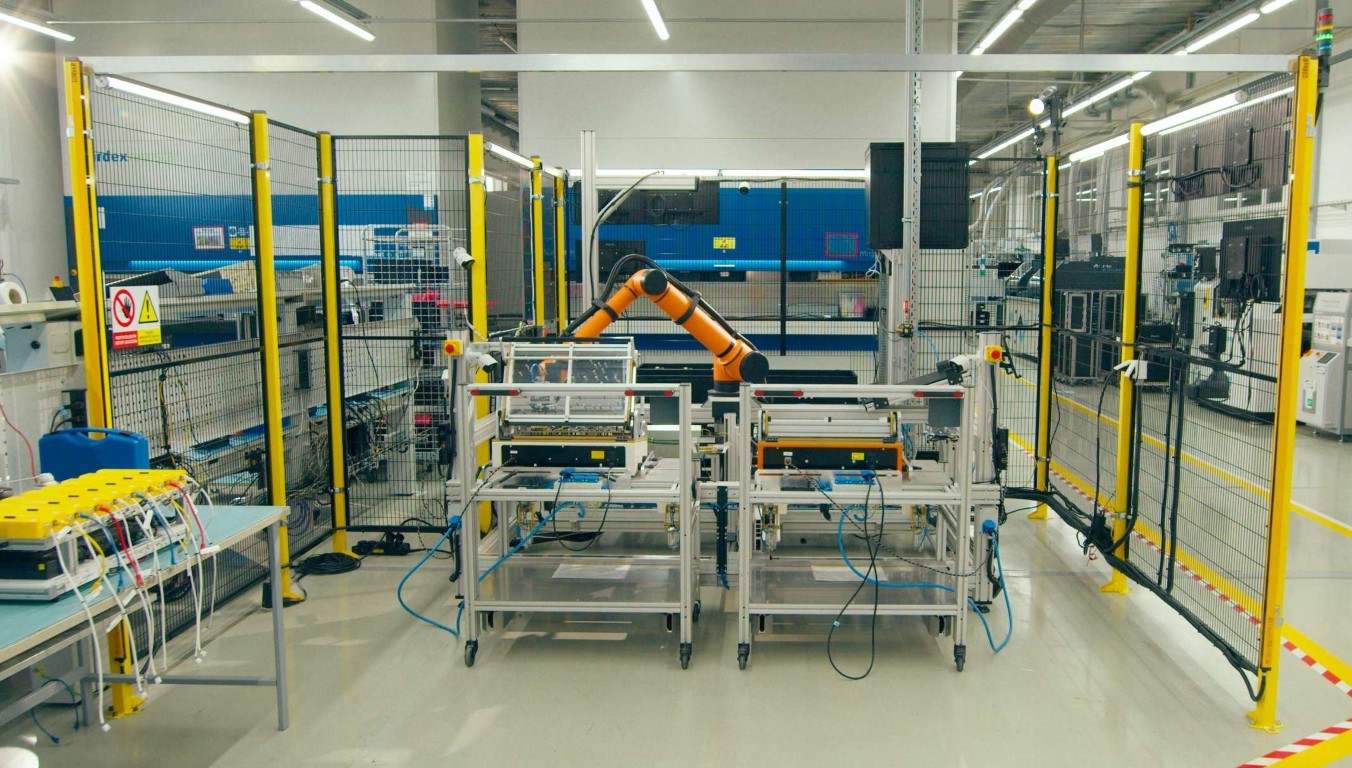
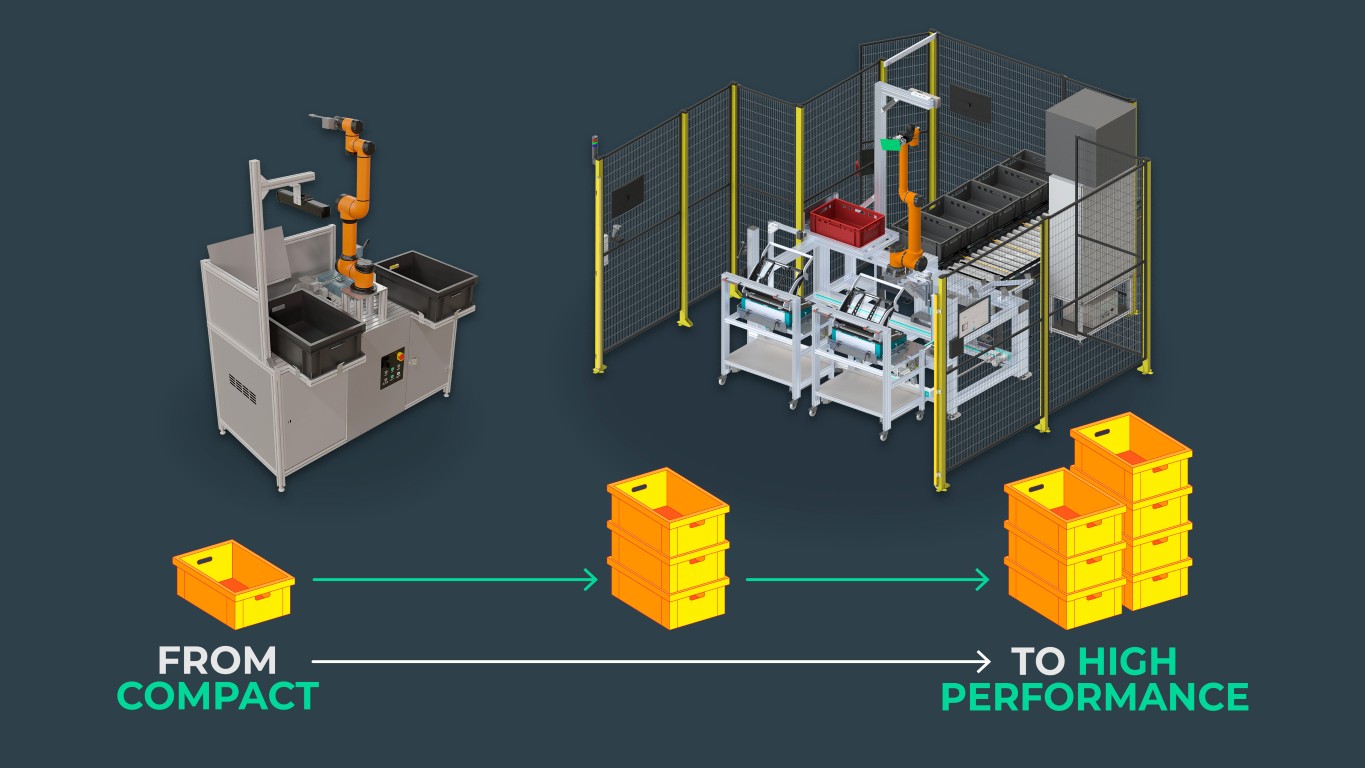
6. When did you realise that Test-it-off was no longer just another project, but a platform that was beginning to represent KINALI itself?
I began to realise it fully when our development team stopped seeing Test-it-off merely as a solution for one specific type of project and started approaching it systematically as a platform.
Today it almost does not matter whether we are building a robotic workstation or a manually operated quality-control station. A large proportion of our projects are now powered by the Test-it-off platform. That is when you realise you have not created just one product, but a technological foundation on which the company can continue building and creating further added value.
Twenty years of change in industry
7. KINALI has long favoured standalone, mobile and quickly reconfigurable automation over large, rigid production lines. Why do you think this approach makes sense?
Over two decades in the industry, I have seen several waves in which companies leaned either towards inline solutions or, conversely, towards standalone automation. We have remained committed to a standalone strategy over the long term.
From our perspective, it brings greater flexibility and greater resilience to production. If one production section goes down, it does not automatically have to create a problem for the entire line or process. It is also easier to modify individual production units, expand them or adapt them to new production.
And most importantly, we genuinely understand these technologies. This is where we are at home.
8. If you compare a customer in 2006 with a customer today, what has changed most in what they expect from a supplier such as KINALI?
The difference is enormous. In 2006, customers were not yet exposed to today's constant barrage of messaging around Industry 4.0 and AI. And in the European industrial mindset, China was much more often seen as a low-cost manufacturing base than as the technological competitor it is today.
Today, customers no longer want automation that is "just a collection of moving parts endlessly repeating the same motion". Individual production units have to be connected through software, and the data generated during production must be used to optimise efficiency, improve traceability, and so on.
Software therefore plays a much greater role in automation today than it did twenty years ago. And that is where I see one of our great advantages: we came from software, and we have never stopped treating it as an essential part of the overall solution.
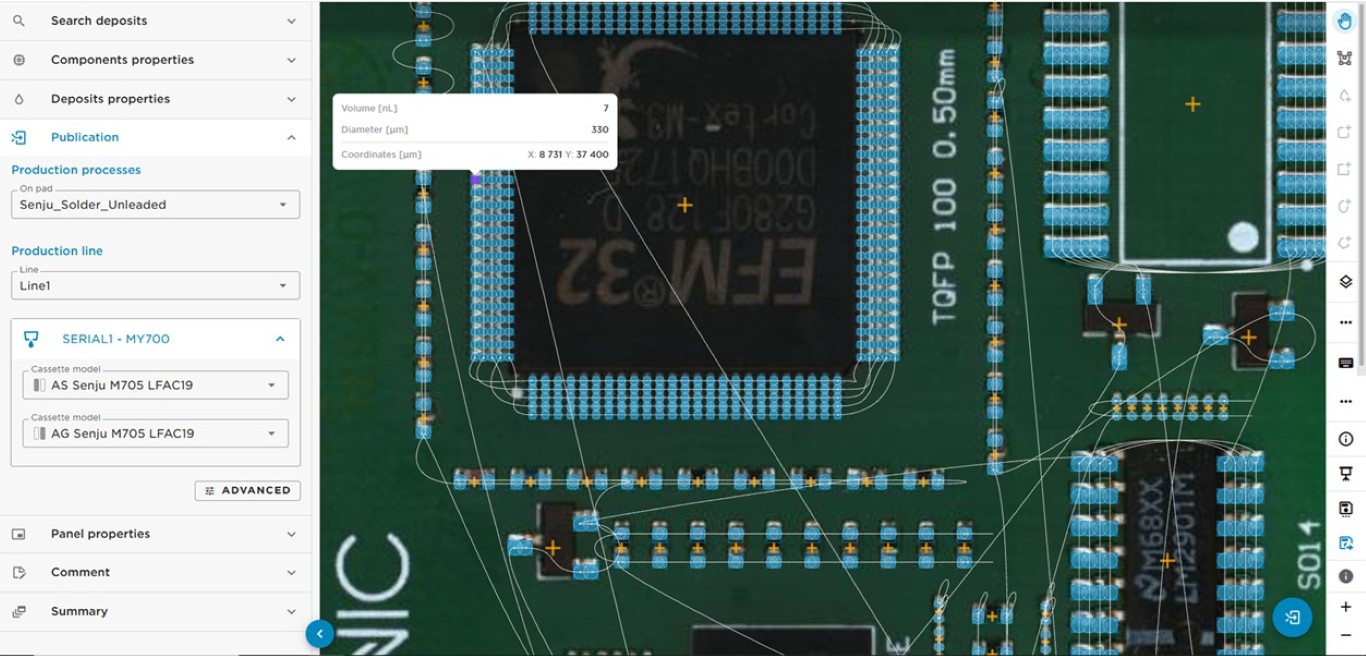
9. Automation can free people from routine work, yet you also talk about the Dark Factory concept. How do these two ideas relate to each other?
I do not see a contradiction. In my view, automation plays two roles. During normal operation, it can relieve people of routine and repetitive activities, freeing them to do work where their experience and decision-making are genuinely needed. The Dark Factory goes one step further. It allows production to continue autonomously during the night, for example, without the need to have night shift personnel.
I think this is still somewhat underestimated. If you can extend production into the night without having to recruit another shift, you significantly improve equipment utilisation and shorten the return on investment. That makes automation more accessible.
At the same time, I believe it is one way to keep European manufacturing competitive at a time when a large share of manufacturing capacity has long been moving to lower-cost regions.
People and culture at KINALI
10. The KINALI company values include humour, irony, and sarcasm. How does something like that become part of the company's official values?
In my opinion, company values are not created by management writing them down in a PowerPoint presentation on Friday afternoon and announcing them to employees on Monday.
Ours emerged over several weeks of discussions and internal voting in which everyone took part. Humour, irony and sarcasm simply came out of that process. That is what the working environment at KINALI is like. These are not values we invented to look good on the website. We merely put a name to how KINALI's working environment look like day to day.
11. What would you like customers and people in the industry to associate with KINALI over the long term?
I would turn that question around slightly, because I know very precisely how I do not want people to talk about KINALI.
I never want to hear that we let a customer down, failed to finish something, stopped communicating or tried to cut corners in our work. We do not have to be the largest company in the market at any cost. I want KINALI to be a company that is not afraid of difficult projects.
When something does not go according to plan, we do not look for a reason why it cannot be done; we look for a way to make it work. For example, we once took over an automation project from another supplier after they had been unable to get it working and eventually abandoned it. We completed the work and brought the system into successful operation.
And if people also say that we are a reliable partner that helps make people's work in industrial environments easier, we will know that we are doing our job well.
12. What do you enjoy about leading KINALI after all these years?
What I enjoy most is the moment when a capable person embraces our way of working, is given trust and responsibility for part of the company, and then moves it a substantial step forward.
I have been seeing this more and more often in recent years. It is also connected with the fact that I am learning not to be a micromanager and to give people more room, which can be a surprisingly difficult discipline for a founder.
When I then see someone coming up with their own ideas, showing motivation and delivering results, I genuinely enjoy it and find it energising.
Where KINALI is heading next
13. Looking ahead to 2030, what would need to be true for you to say that this decade had gone well for KINALI?
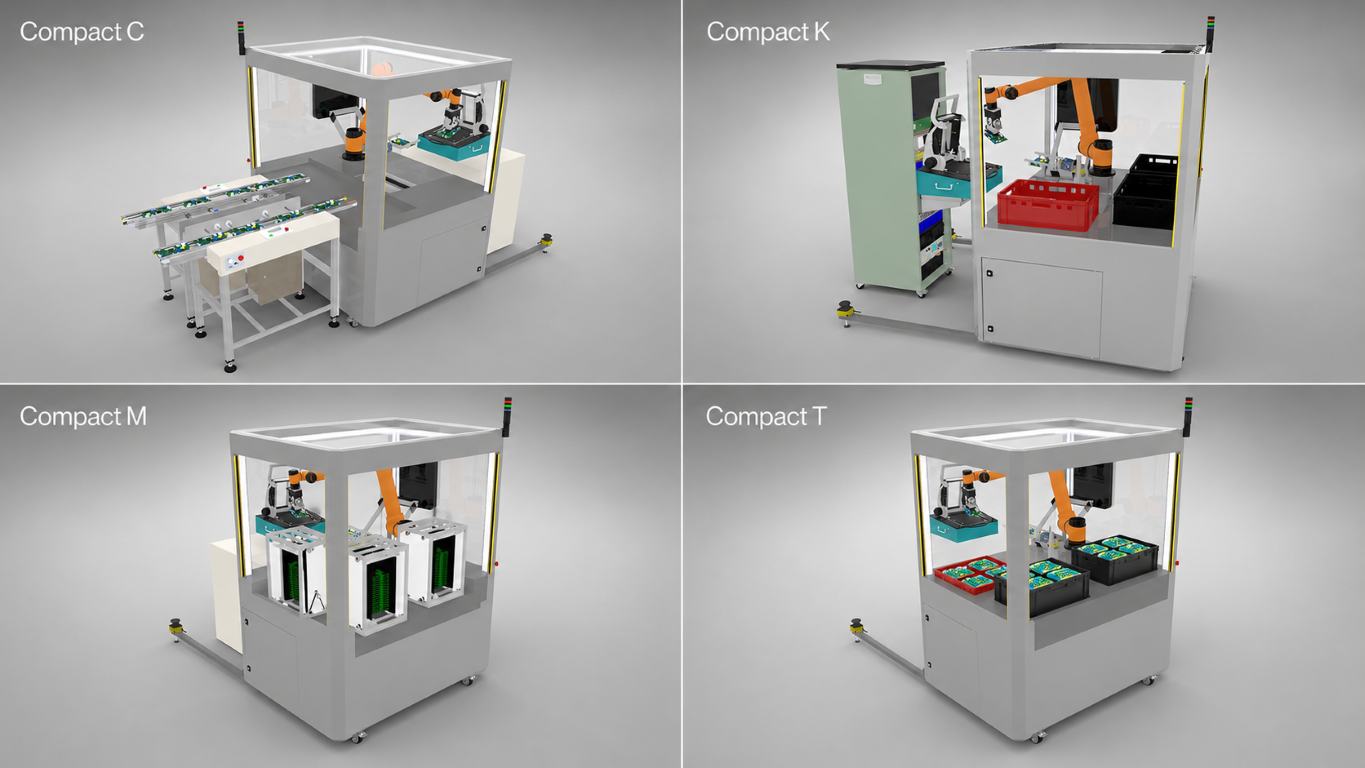
The goal is quite specific: for Test-it-off to become a successful European product with a leading position in electronics testing automation.
For me, that would also mean that we had managed to take another fundamental step in the KINALI story, building our own product capable of succeeding across the European market alongside our top-tier project engineering.
14. Which challenge do you consider one of the biggest KINALI has faced in its twenty years?
Paradoxically, one of our biggest challenges is exactly what we are doing today. We identified a gap in the market and are trying not only to build the Test-it-off brand, but also, to some extent, to shape the electronics testing automation market itself.
What makes it distinctive is that we embarked on this without investor funding. We finance everything from our own profits. It is slower and sometimes less comfortable, but it also allows us to retain control over where the company is heading. And that matters to us.
What twenty years of leading KINALI have taught Radek Štourač
15. Looking back over KINALI's twenty years, what are you proudest of as a founder?
I am proudest that we never had to fall back to doing work we would do merely to make a living.
We had the opportunity to choose projects that pushed us forward technologically and to work over the long term on genuinely demanding challenges. In some of them, we were operating at the global technological forefront, with KINALI playing a very important role.
I consider that a great luxury, as well as a consequence of the care we took from the beginning in deciding what kind of company we wanted to build.
16. What is most difficult about leading the company today, and what gives you the greatest sense of purpose?
The hardest aspects of leading a company usually involve people. It is not enough simply to hire and pay them. You have to develop them, keep them motivated, resolve conflicts and give them enough room at the same time. A few years ago, we faced an enormous shortage of developers. Today, we are dealing with how to remain competitive in the era of agentic AI development, when the entire field is changing extremely quickly and some technology companies are already making significant layoffs.
On the other hand, I find it deeply rewarding that over twenty years we have managed to keep KINALI entirely Czech-owned. We are part of the South Moravian community of innovative companies, we work on cutting-edge technologies, and as a result people in the region gain experience that will remain here permanently.
At the same time, approximately 80% of our revenue now comes from abroad. So we are not only creating know-how here; we are also bringing money from foreign markets into the region. That gives me a great sense of purpose.
17. What have twenty years of leading KINALI taught you about yourself?
That there is still more I cannot do than I can. :-)
And the longer I lead the company, the more that actually seems like good news. It means there is always something to learn, and I am certainly never bored.
If, after twenty years, I felt that I already knew everything, that would be more of a warning sign.
Conclusion
After twenty years, KINALI continues to evolve. The technologies, the size of the company and the challenges are different from when we started, but the fundamental approach remains similar: find solutions to specific problems, take on technically demanding projects and see them through to a working result.